

Content
Choosing the correct Toyota Hilux parts comes down to three checks: confirm the generation and production year of your truck, match the part code or housing type to that generation, and decide between OEM-style replacement and aftermarket upgrade based on how the vehicle is used. Fleet operators and off-road drivers generally get more value from reinforced aftermarket body and structural components, while daily commuters are usually better served by OEM-fit replacement parts. The sections below walk through each decision in detail, with real part examples drawn from current Hilux Revo and Middle East Edition production.
The Toyota Hilux has been built across several distinct generations, and parts are rarely interchangeable between them without modification. Before ordering anything, the model year and trim need to be confirmed, because a bumper, headlight, or hood designed for one generation will not bolt onto another without extensive rework.
Most sourcing mistakes happen when a buyer searches only by "Hilux" without narrowing to a generation. The Revo generation, produced from roughly 2015 onward, uses a different headlight mounting bracket and grille profile than earlier Vigo-generation trucks. Production year within the same generation can also affect facelift details such as grille bar count or bumper corner shape, so checking the VIN or an existing part number against the catalog is the safest first step.
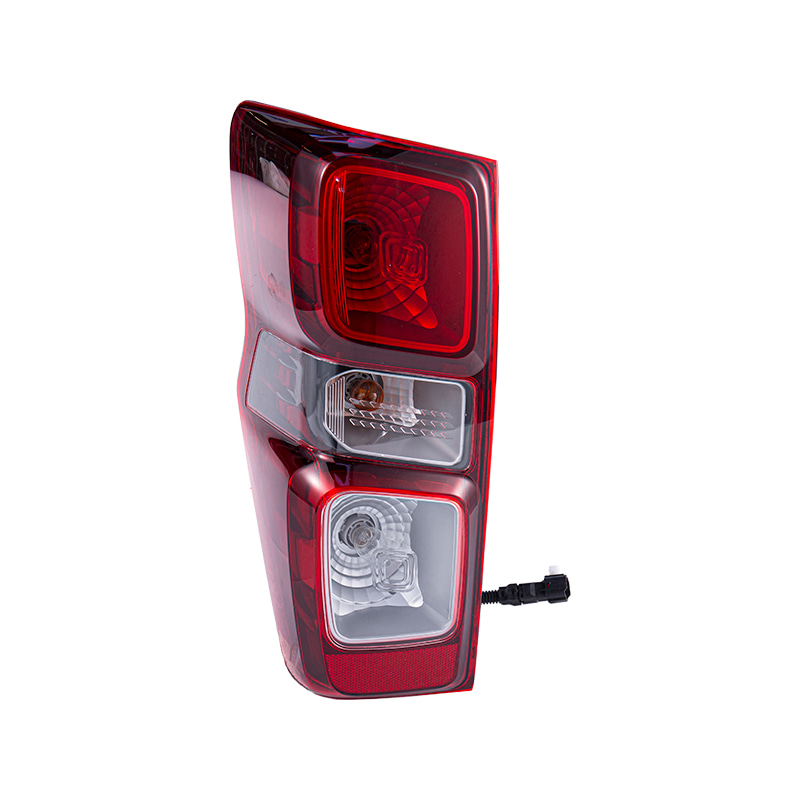
Every component in a reliable parts catalog carries a code that ties it to a specific generation and configuration. For example, a headlight listed as XT-21RV-001 corresponds to a 2021 Revo-generation housing, while a related tail lamp is coded XT-21RV-003. When two parts share the same "21RV" prefix, they are built for the same body generation and year range, which is the fastest way to confirm compatibility without opening a full parts manual.
A separate prefix, "21RVM", marks the Middle East Edition line, which shares the same body generation but uses different front-end hardware tuned for regional conditions. Mixing a standard 21RV bumper component with a 21RVM support bracket can still bolt on in some cases, but the reinforcement and heat tolerance built into the ME-specific parts will be lost, so keeping the prefix consistent across a repair is worth the extra minute of checking before an order is placed. This is especially relevant for buyers sourcing parts from multiple listings, where two visually similar bumpers can carry different structural specifications underneath.
Neither option is universally better. OEM-style replacement parts are built to match the original fit, finish, and mounting points exactly, which makes them the simpler choice for a straightforward repair. Aftermarket parts, by contrast, are often engineered with added reinforcement or styling changes, which suits drivers who want more durability or a different appearance rather than an identical factory match.
Components such as the standard head lamp assembly, coded XT-21RV-002, are designed to replicate the factory housing shape, lens pattern, and connector layout precisely. This matters most for insurance repairs or resale situations, where a buyer wants the truck to look and function exactly as it left the factory. Fit accuracy is the primary selling point, not added strength or styling.
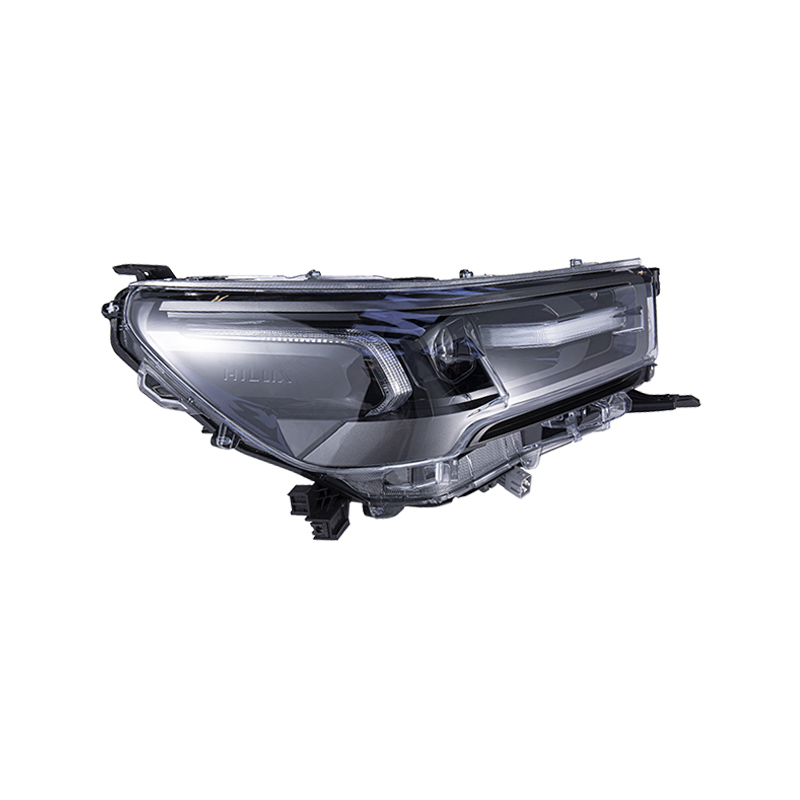
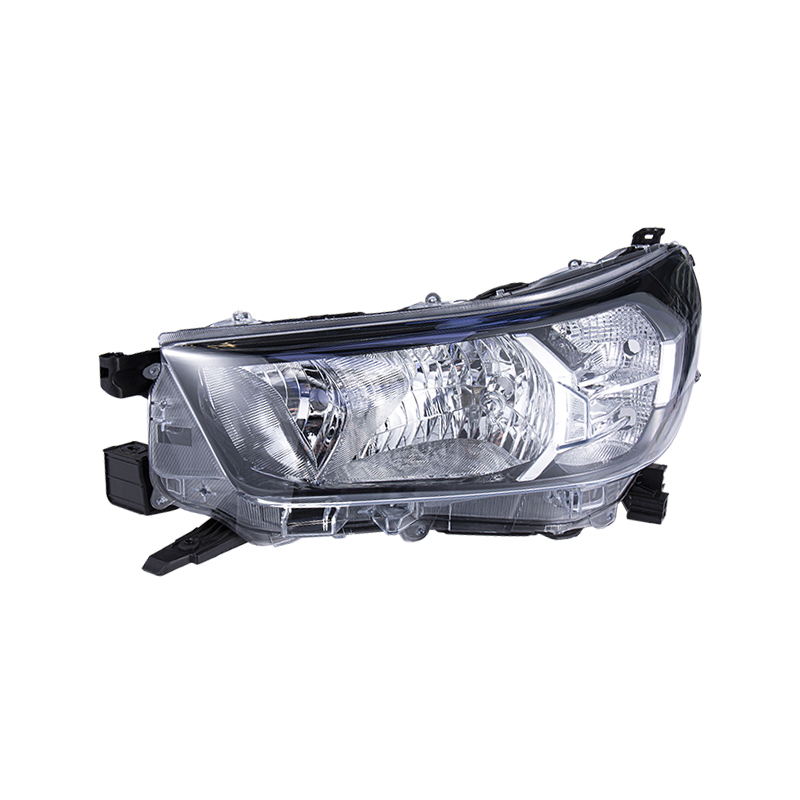
A premium gray housing headlight assembly, such as XT-21RV-001, is an example of an aftermarket-style upgrade: it keeps the mounting points compatible with the factory bracket but changes the internal housing finish for a different look. Similarly, structural aftermarket pieces like the wheel apron (XT-21RV-013) or the engine hood variants (XT-21RV-014 for 4WD, XT-21RV-015 for 2WD) are produced to handle the stress of unpaved roads and frequent panel removal during maintenance, which is common on work trucks.
| Comparison factor | OEM-style replacement | Aftermarket upgrade |
| Primary goal | Exact factory match | Added durability or styling |
| Best use case | Insurance repair, resale | Fleet, off-road, personal use |
| Fit precision | Matches original mounting exactly | Compatible with factory mounting, finish may vary |
| Typical buyer | Daily commuter, dealership repair | Fleet operator, off-road driver |
In practice, many owners mix both approaches: OEM-style lighting for a clean factory look, paired with reinforced aftermarket body panels in areas that take the most physical impact, such as the hood, wheel apron, and front bumper assembly.
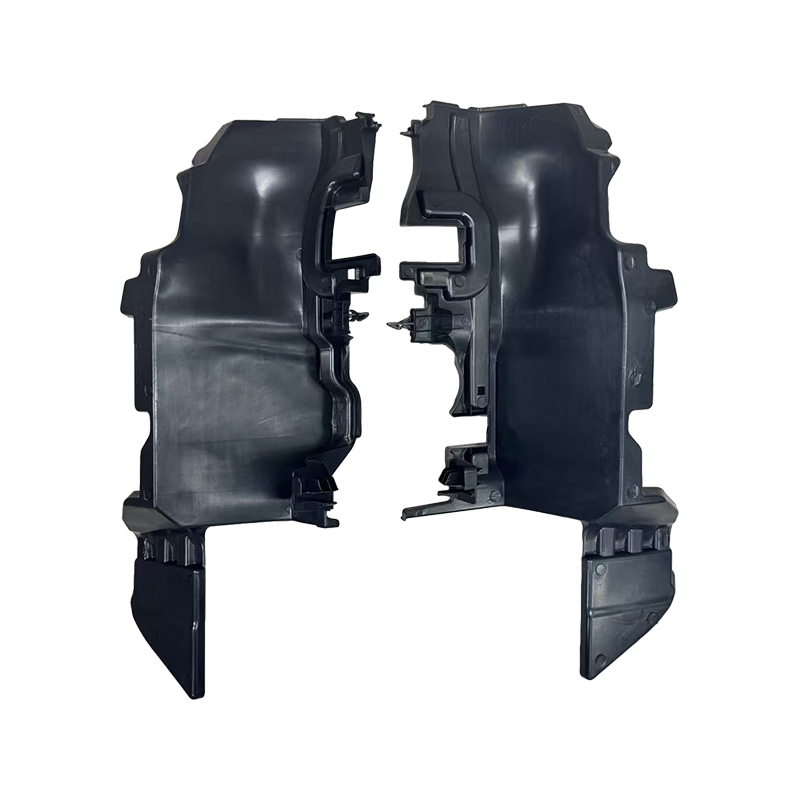
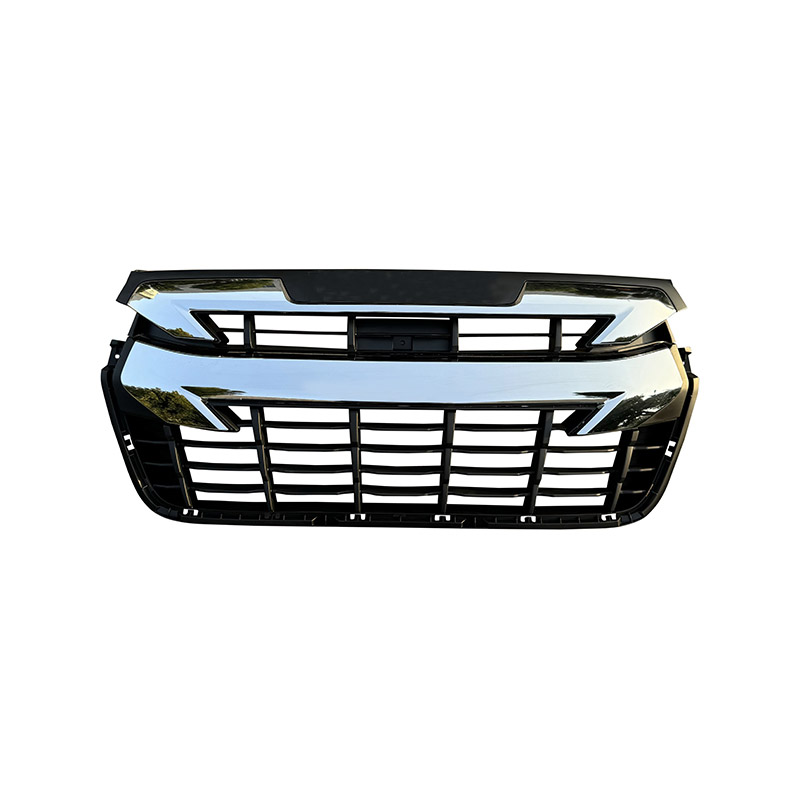
A cross-section of current Hilux Revo and Middle East Edition parts, spanning lighting, body panels, and front-end structure.
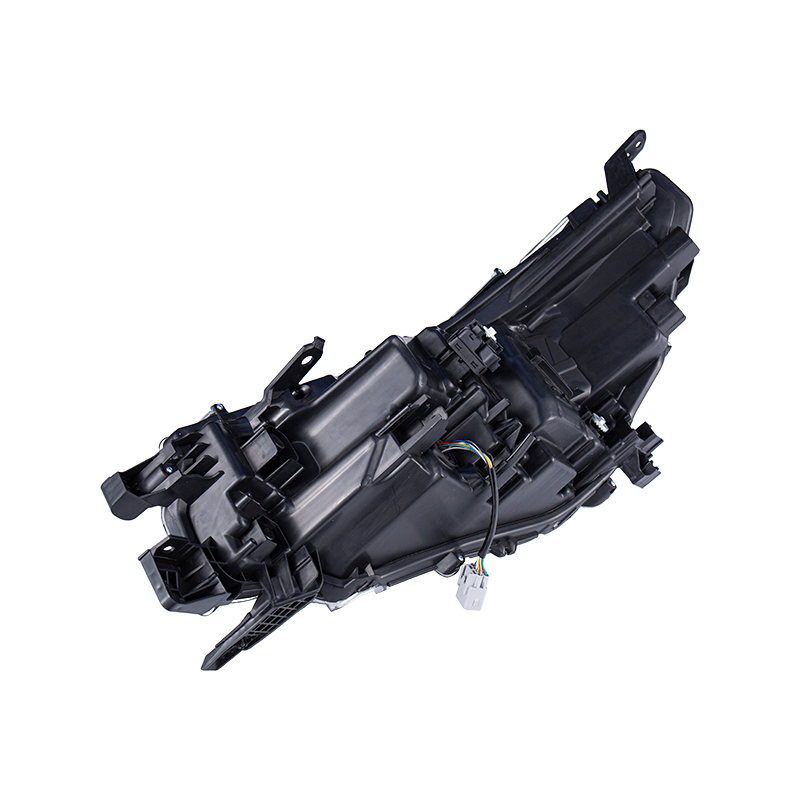
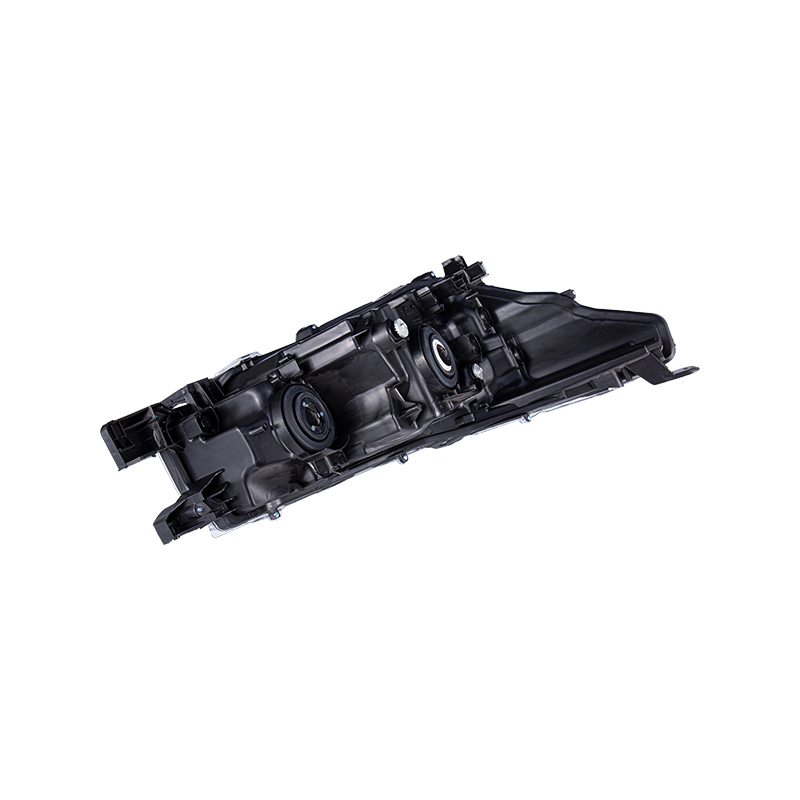
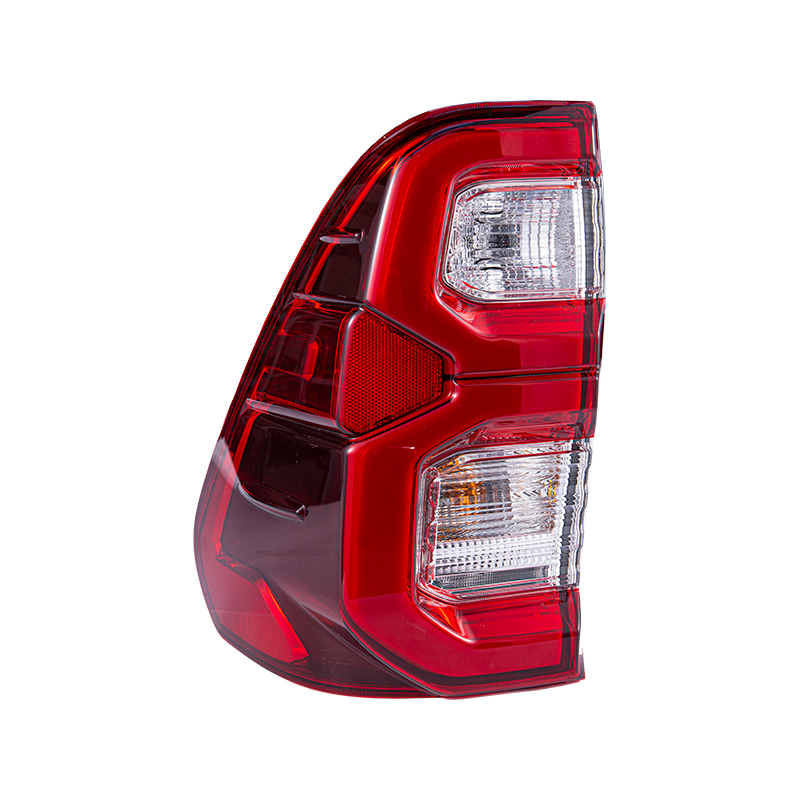
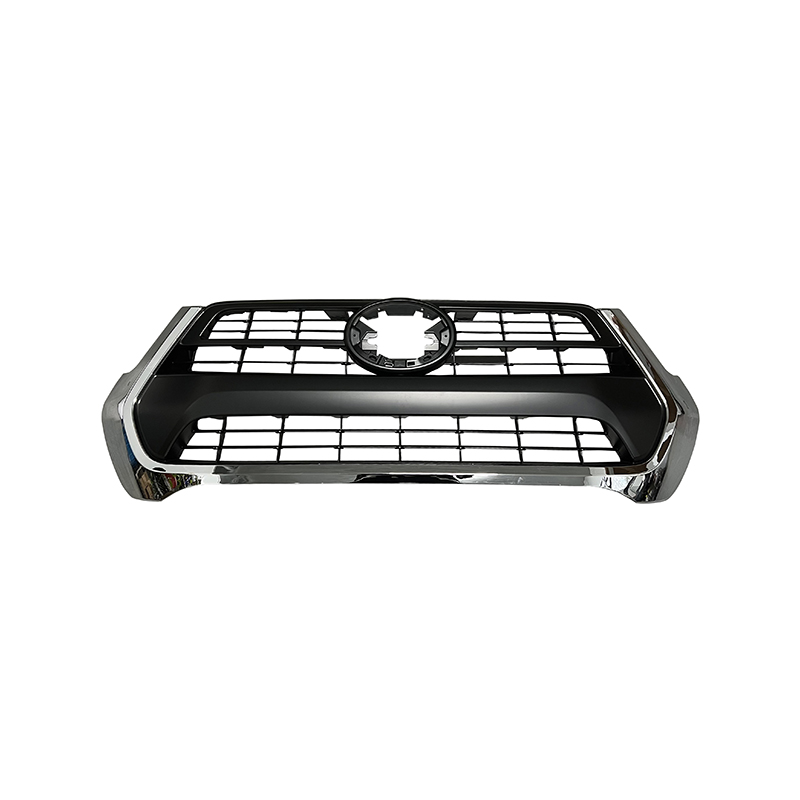
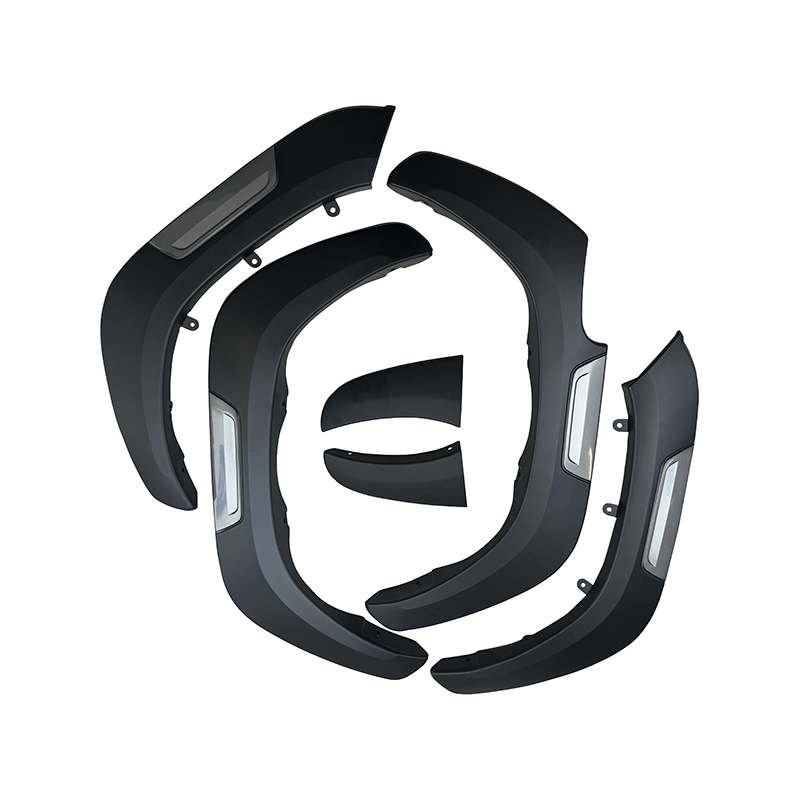
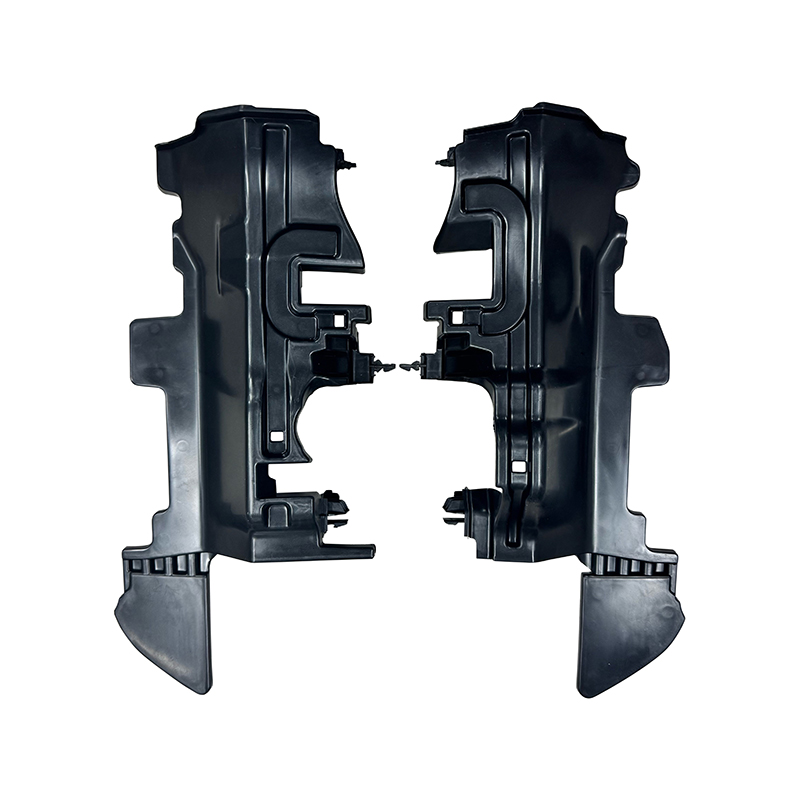
For trucks that spend most of their time on job sites or unpaved routes, the parts that matter most are the ones absorbing repeated physical stress: engine hoods, wheel aprons, and front bumper structures. These are the components most likely to need replacement first on a work truck, well ahead of lighting or trim pieces.
The engine hood is one of the most frequently removed panels during maintenance on fleet vehicles, so its mounting hardware and hinge points see far more cycles than on a personal-use truck. Separate hood variants for 4WD (XT-21RV-014) and 2WD (XT-21RV-015) configurations exist because the underlying engine bay layout differs between drivetrains, and using the wrong variant can cause clearance issues around the air intake or radiator support.
The wheel apron (XT-21RV-013) sits directly behind the front bumper and takes the brunt of debris thrown up from gravel or unpaved roads. On fleet trucks running daily routes through construction sites or rural terrain, this panel typically wears out faster than cosmetic trim, which is why fleet buyers often stock it as a standing replacement item rather than ordering reactively after damage appears.
| Use scenario | Priority components | Typical replacement driver |
| Commercial fleet, mixed routes | Wheel apron, engine hood, bumper support | Cumulative wear from daily mileage |
| Off-road or rural terrain | Front corner bumper, bar iron under girth | Impact from debris or uneven ground |
| Personal daily driving | Headlight, tail lamp, grille | Age-related fading or minor collisions |
Drivetrain matters just as much as terrain when planning replacements. A 4WD truck running the XT-21RV-014 hood typically sees more frequent hood removal for underbody maintenance than a 2WD unit on XT-21RV-015, simply because 4WD systems require more regular inspection of the transfer case and front differential. Fleet managers who track this pattern often find it more efficient to keep one spare hood and one spare wheel apron per five to six trucks in active rotation, rather than ordering each panel reactively after visible damage appears, since lead time on a single part can otherwise take a truck out of service longer than necessary.
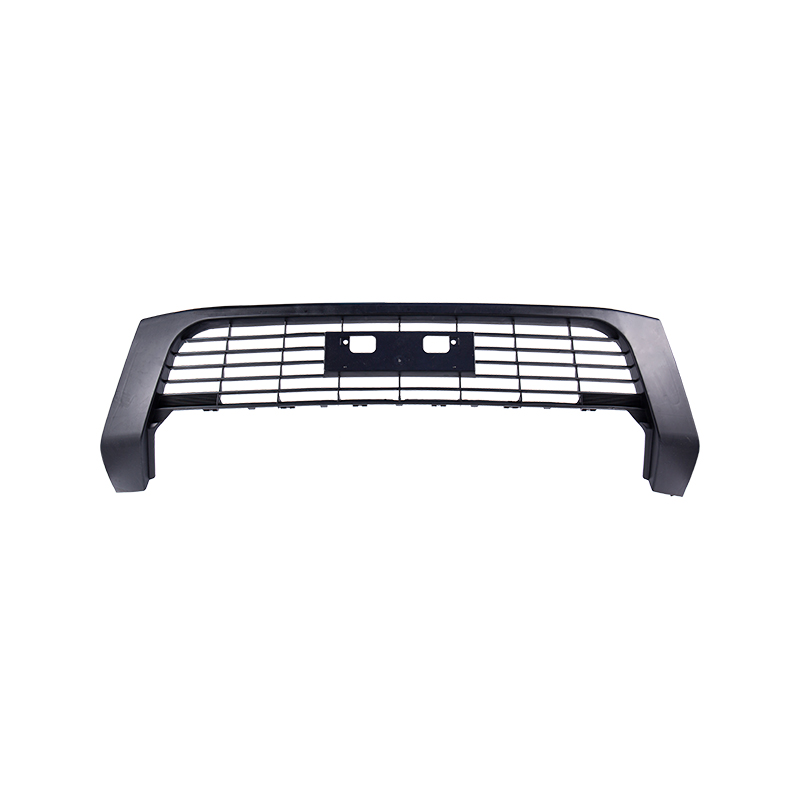
The Middle East Edition front bumper system is not a single part but a coordinated set of components built for higher heat tolerance and reinforced front-end structure, which makes it the better choice for hot-climate or heavy-load operation, while the standard Revo bumper grille suits general-purpose regional use.
The base bumper grille (XT-21RVM-003) is a 21-inch design that follows the standard Revo front fascia layout. It pairs with the half-chrome grille above it and is intended for straightforward replacement after minor front-end damage or general wear.
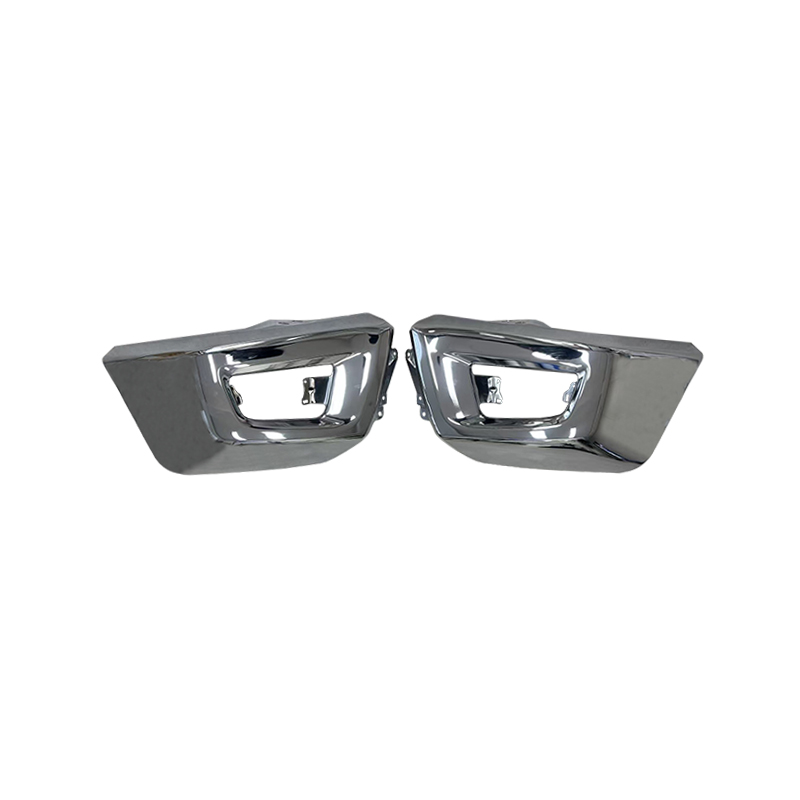
The Middle East Edition setup adds several supporting pieces around the same footprint: front corner bumper caps (XT-21RVM-004 and XT-21RVM-005), a front bumper support bracket (XT-21RVM-006), and a bar iron under girth (XT-21RVM-007) that reinforces the lower structure. Together these parts are built to hold up under sustained high ambient temperatures and the heavier loads typical of commercial use in the region, rather than being a purely cosmetic variant.
For buyers deciding between the two, the standard bumper grille is sufficient for routine cosmetic replacement, while the full Middle East Edition set is worth installing together when the front end has sustained structural impact or when the truck operates under consistently high temperatures and heavier daily loads.
Headlight assemblies vary because the housing material, finish, and internal reflector design are tuned for different priorities: exact factory replication in the standard version, and a distinct appearance with the same mounting compatibility in the premium version.
The standard REVO 2021 head lamp (XT-21RV-002) uses a clear housing finish that mirrors the factory unit, which keeps beam pattern and lens clarity consistent with what came installed from the factory. The premium gray housing version (XT-21RV-001) uses a darker internal housing tone behind the same lens shape, giving the front end a more distinct look without altering the external mounting points or bulb configuration.
The decision usually comes down to whether the goal is restoring the truck to its original appearance or updating its look. Buyers focused on resale value or warranty-adjacent repairs tend to choose the standard clear housing, since it keeps the truck visually consistent with unmodified units. Buyers customizing a personal or fleet-branded truck more often choose the premium gray housing, since the styling difference is immediately visible from the front without requiring any other bumper or grille changes.
Across all five questions covered here, the underlying logic stays the same: confirm the generation and year first, decide between OEM-style and reinforced aftermarket based on how the truck is actually used, and treat the front-end components as a coordinated set rather than isolated parts, particularly for Middle East Edition trucks operating in higher-heat or higher-load conditions.
Your email address will not be published. Required field are marked*
Get in Touch



 en
en  English
 Español


 02@xintai-autoparts.com

