

Content
Mitsubishi L200 Parts are best selected by matching three things at once: the body generation of the truck, the trim level of the original component, and the intended use case, whether that is daily fleet operation, off-road work, or standard road driving. Buyers who skip the generation check are the most common source of returned Mitsubishi L200 Auto Parts, since the 2018-series and the 2024-series use different lamp housings, different bracket points, and different grille mounting patterns. The sections below walk through each decision point with the data needed to make a confident choice.
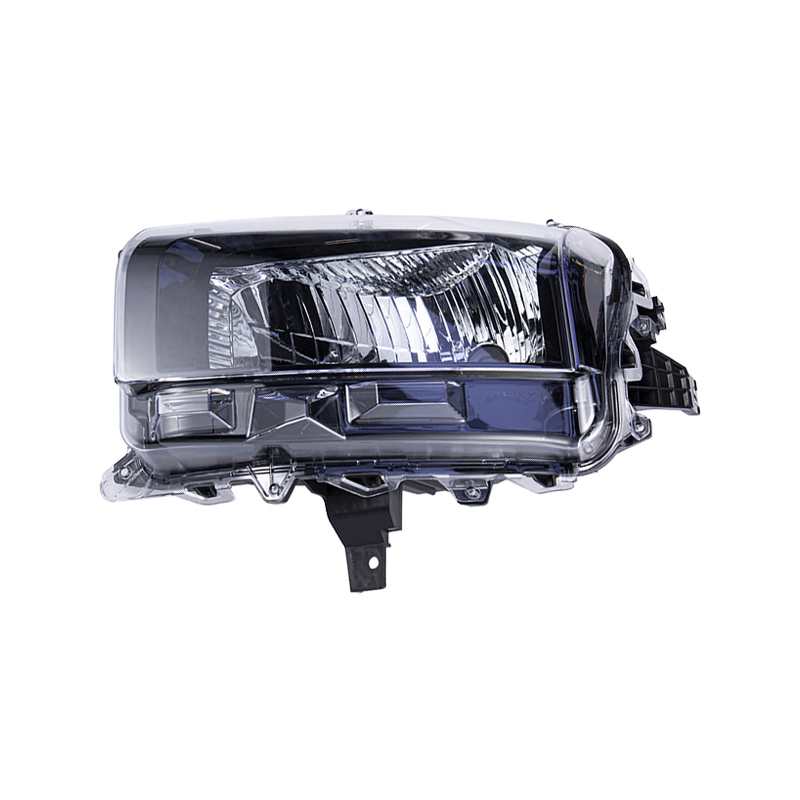
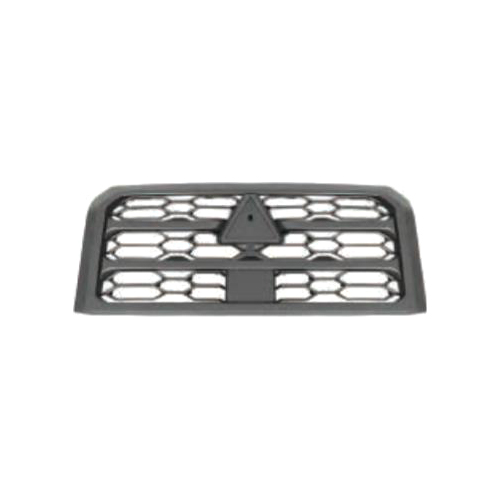
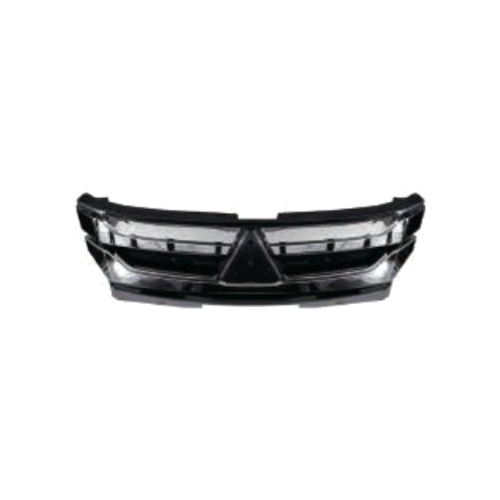
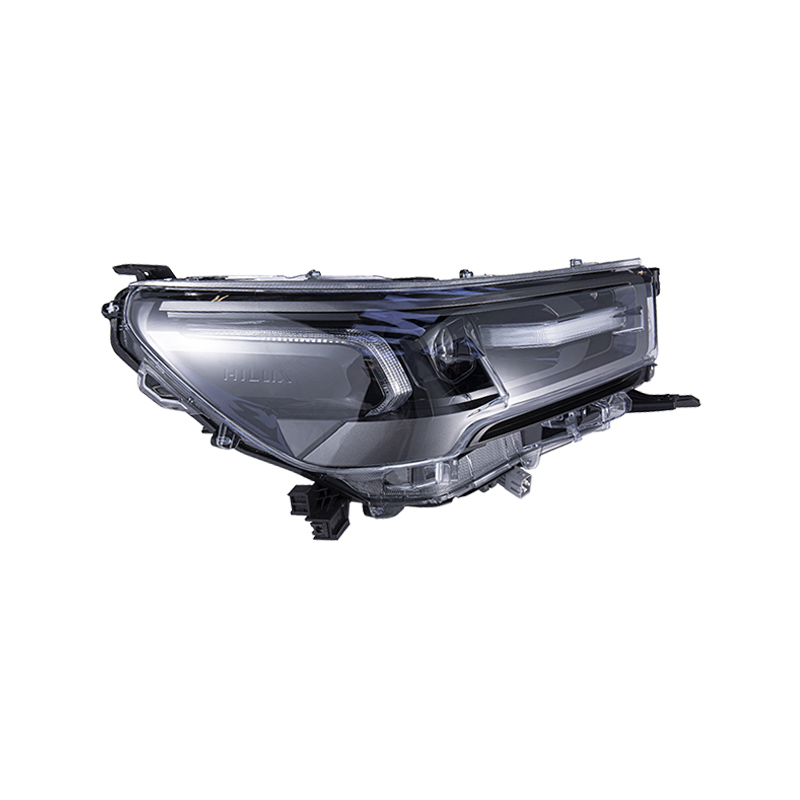
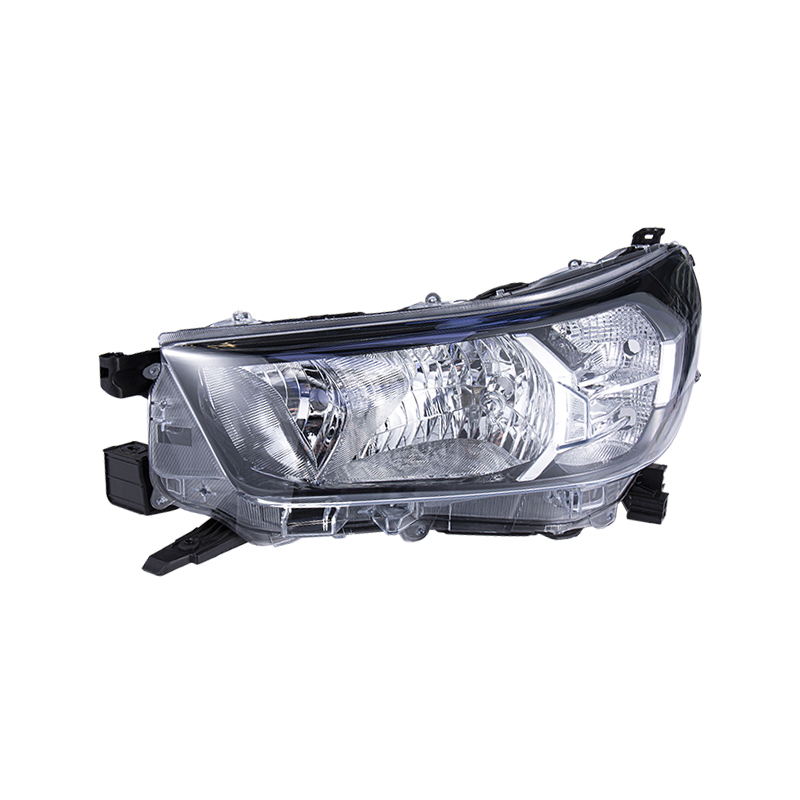
The L200 lineup sold globally splits into two visually distinct generations that are not interchangeable at the part level. The 2018-series carries a rounder headlamp housing with a horizontal lens split, while the 2024-series moves to a sharper, faceted lamp shape with a more angular daytime running light strip. Grilles follow the same rule: the 2018-series grille uses a wider horizontal bar pattern, and the 2024-series grille uses a raised trapezoidal centerpiece with tighter mesh spacing.
Because the mounting tabs, connector plugs, and lamp housing curvature differ between the two generations, a part built for one series will not bolt onto the other even though both are labeled L200. Confirming the production year before ordering avoids mismatched brackets and wiring connectors.
Each component carries a code that identifies the generation and part family, for example a code beginning with 24L200 belongs to the 2024-series and a code beginning with 18L200 belongs to the 2018-series. Checking this code against the vehicle identification plate is faster and more reliable than comparing photos alone.
| Generation | Headlamp Style | Grille Pattern | Tail Lamp Style |
| 2018-series | Rounded housing, horizontal split lens | Wide horizontal bar, black or chrome finish | Layered red and clear lens |
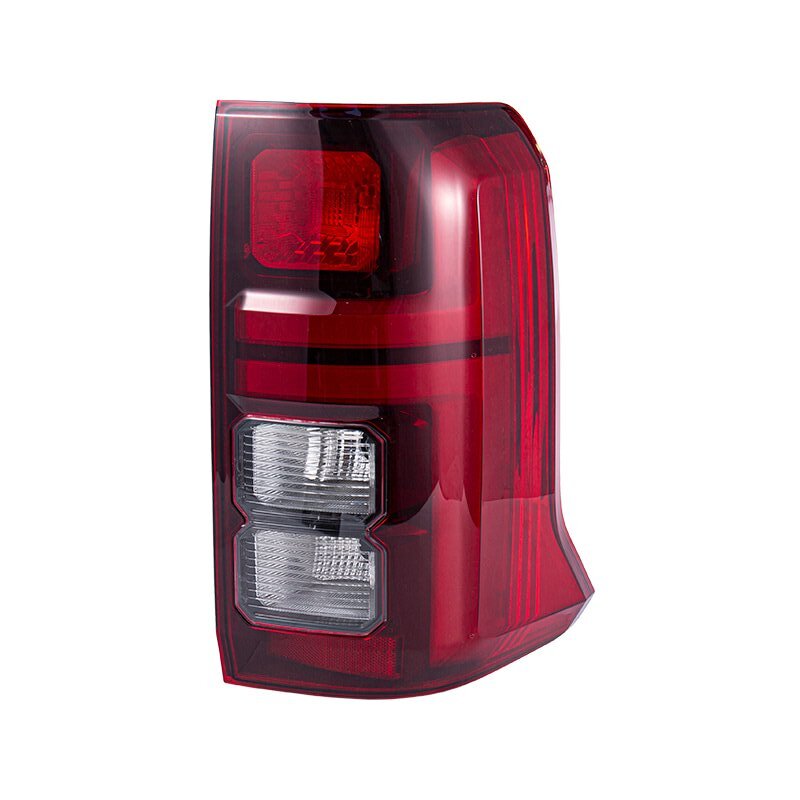
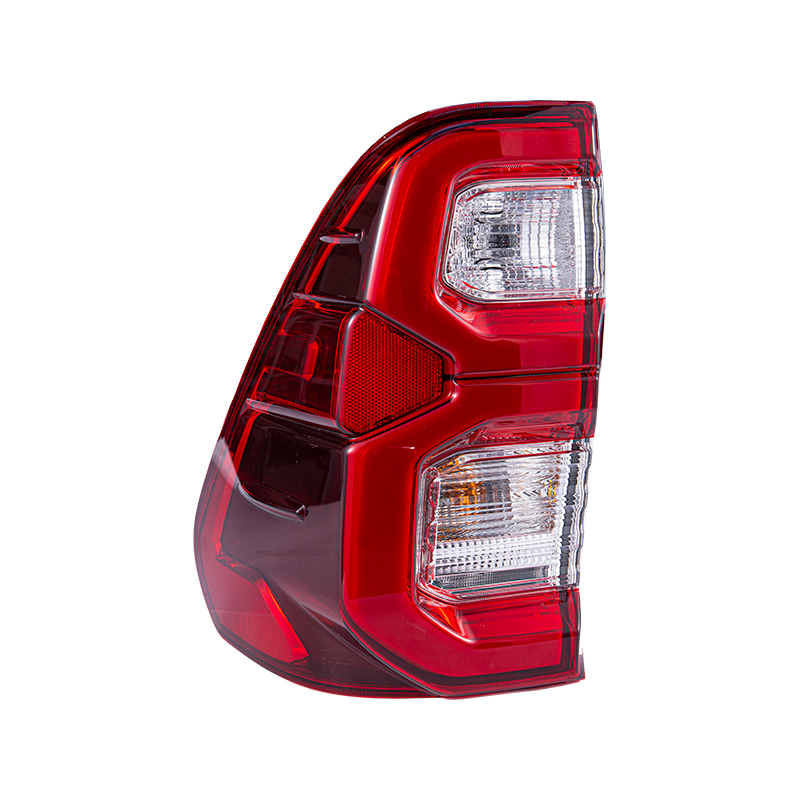
| 2024-series | Faceted housing, angular running light strip | Raised trapezoidal center, tight mesh spacing | Full LED strip or normal dual-lens option |
Within a single generation, Mitsubishi L200 Auto Parts are typically offered in a normal build and a high-end build. The normal build uses a standard reflector or projector lens with halogen-compatible housing, while the high-end build integrates a sharper lens edge, a defined light guide strip, and in many cases sequential-style daytime running elements. Both versions share the same mounting bracket layout within their generation, so the choice comes down to appearance matching and lighting output rather than fitment risk.
Trucks originally equipped with the higher trim package usually carry the high-end lamp from the factory, and mixing a normal lamp on one side with a high-end lamp on the other creates a visible mismatch. Checking the opposite-side lamp before ordering a single replacement prevents this issue.
Lamp housings built for the L200 are typically constructed with a polycarbonate lens bonded to a reinforced housing shell, designed to withstand vibration from unpaved routes and temperature cycling in tropical and desert climates alike. The sealing gasket around the housing edge is the component most likely to affect long-term clarity, so a snug, even seal line is worth checking against the reference photo before installation.
Each headlamp has three to four mounting points that align with the front panel and radiator support. High-end and normal builds within the same generation share identical bracket spacing, which is why upgrading from a normal to a high-end lamp on an otherwise standard trim truck is a straightforward swap that does not require structural modification.
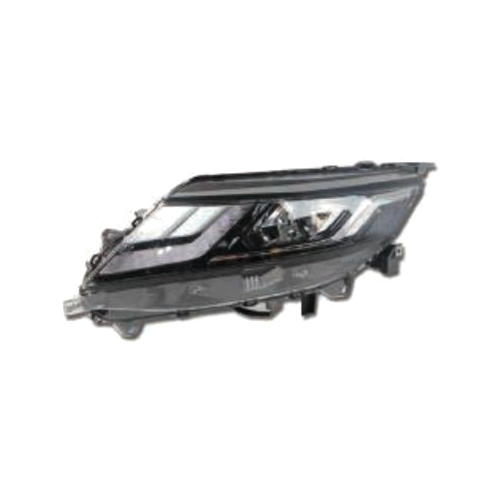
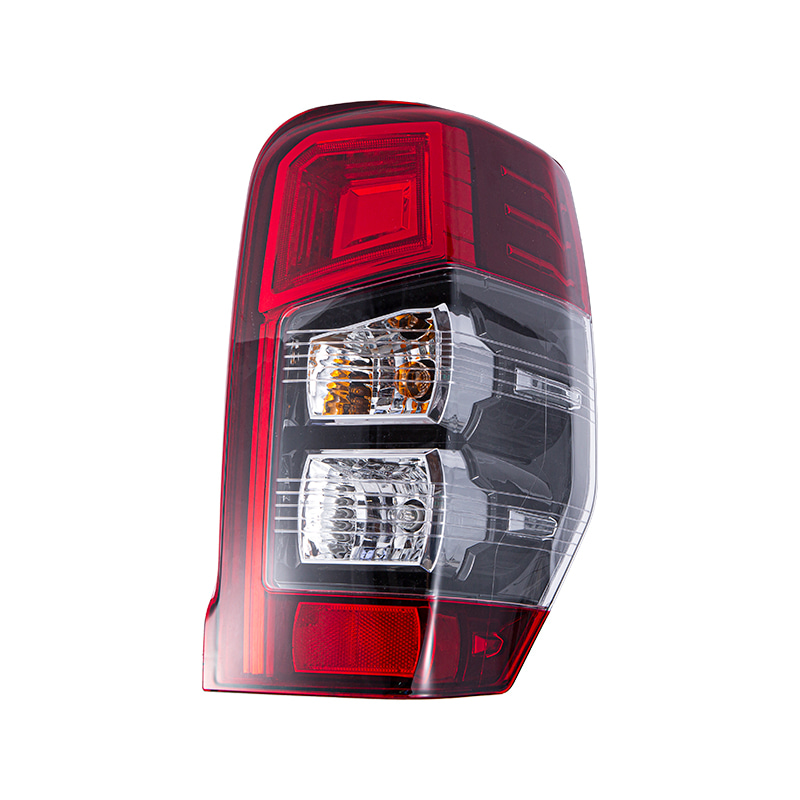
A snapshot of the lighting and grille components currently produced across both L200 generations, covering standard and upgraded trim options for headlamps, tail lamps, and grilles.
Grille finish is one of the more visible choices among Mitsubishi L200 Parts, and it also carries a practical dimension beyond appearance. A black or matte-finish grille tends to be the standard choice on work-oriented and fleet-spec trucks, since it hides road dust and minor scuffing better than a polished surface over long service intervals. A chrome-finish grille is more common on passenger-oriented trims and is typically chosen when the buyer wants the truck to match a factory high-trim appearance.
Fleet operators running multiple L200 units for delivery, construction support, or agricultural use generally standardize on the black grille across the fleet. It is easier to maintain a uniform appearance across vehicles of different ages, and surface wear is less noticeable during daily washing cycles.
Retail buyers replacing a damaged grille on a personal or passenger-configured L200 often prefer the chrome finish to preserve the original factory look, particularly on trucks that came from the factory with a chrome-trim package.
| Grille Finish | Typical Use Case | Maintenance Profile |
| Black or Matte | Fleet, construction, agricultural | Low visibility of scuffs and dust |
| Chrome | Passenger, retail, high-trim match | Shows fingerprints and light scratches more readily |
The 2024-series LED tail lamp uses a continuous light strip rather than individual bulb sockets, which reduces the number of failure points per lamp assembly. Where a normal-style tail lamp relies on three to four separate bulbs that can fail independently, the LED strip design in the current L200 Auto Parts lineup is built as a single sealed module, cutting the maintenance checks a fleet technician needs to run during routine inspection.
For fleet managers tracking downtime, a lamp assembly with one sealed light source is faster to inspect than one with multiple bulb sockets, since a single pass-fail check replaces several individual bulb checks per vehicle.
LED strips maintain even brightness across the full lens width, while an aging bulb in a multi-bulb housing can dim unevenly and create an inconsistent light pattern that is harder to spot during a quick visual check but still affects nighttime visibility.
For trucks operating on unpaved roads, in mining support, agricultural transport, or long-haul commercial routes, the priority shifts from appearance to impact resistance and consistent fitment. Housing materials with reinforced shell construction, gasket seals rated for dust and moisture intrusion, and grille designs without delicate chrome overlays tend to hold up better under repeated vibration and debris exposure.
Lamp housings intended for rough-road use benefit from a reinforced shell and a full-perimeter gasket seal, which keeps dust and moisture out of the lens cavity during extended off-pavement operation. Grille components built without fragile chrome plating resist chipping better when exposed to gravel and debris impact.
Buyers sourcing Mitsubishi L200 Parts for multiple vehicles benefit from working with a manufacturer that can confirm generation-specific bracket dimensions and connector layouts across a full production run, so that every unit in a fleet order fits without individual adjustment. Danyang Xintai Auto Parts Co., Ltd. produces lighting systems and exterior body components for the L200 across both current generations, with OEM-style bracket and connector layouts intended to match factory mounting points.
Choosing the right Mitsubishi L200 Auto Parts comes down to confirming the generation first, matching the trim level second, and weighing appearance against duty cycle third. Buyers who follow this order, checking the part code against the vehicle plate, comparing connector shapes, and matching the opposite-side lamp, consistently avoid the fitment issues that come from ordering by model name alone.
Your email address will not be published. Required field are marked*
Get in Touch



 en
en  English
 Español


 02@xintai-autoparts.com

